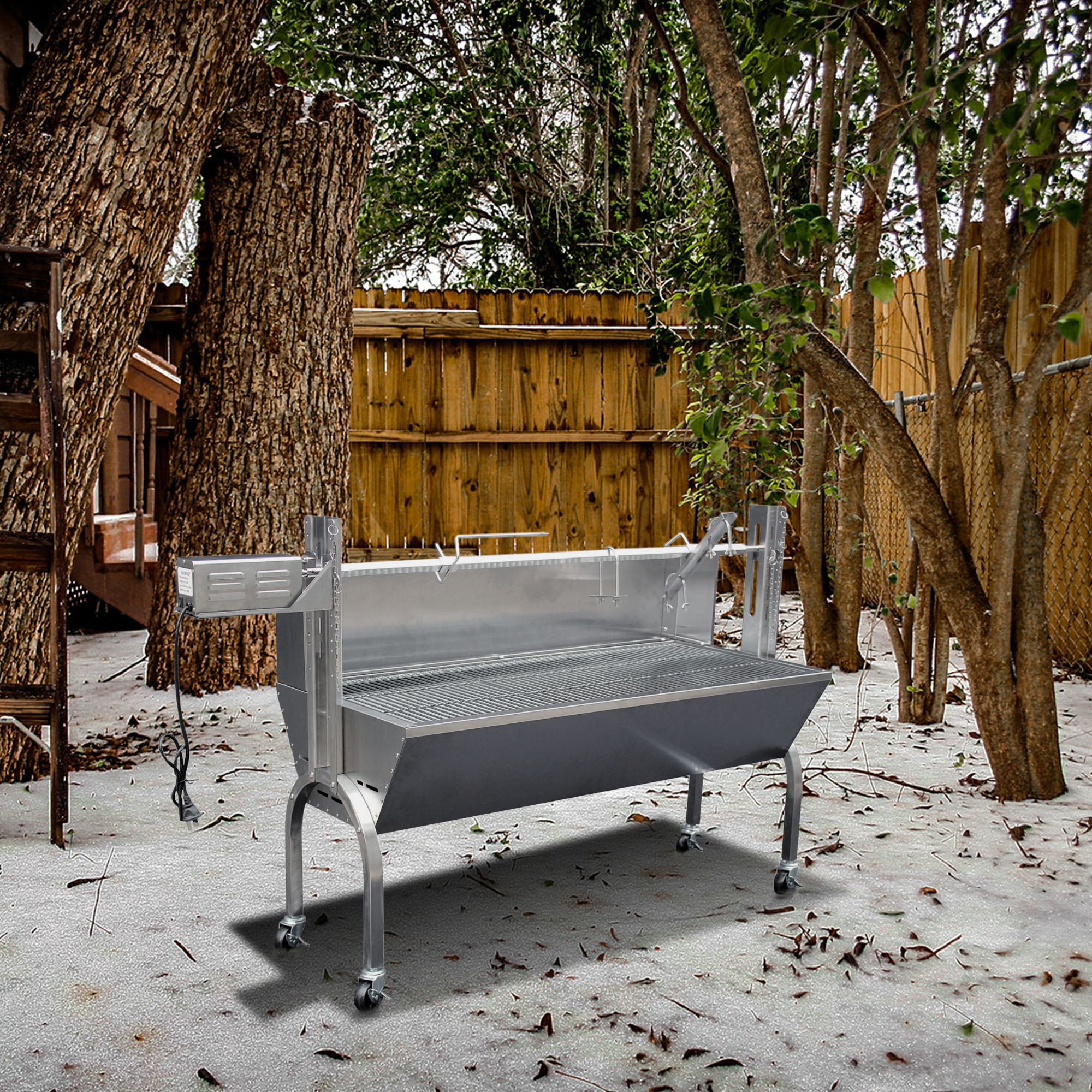
Charcoal cooking is a traditional method that has stood the test of time, and for good reasons. It offers several advantages over other cooking methods, making it a preferred choice for many culinary enthusiasts.
Authentic Flavor: One of the most notable benefits of charcoal cooking is its ability to impart a distinctive smoky flavor to food. This unique taste is hard to replicate with any other cooking method. The smoke from the burning charcoal infuses the food with a rich, deep flavor that can elevate even the simplest dishes.
Versatility: Charcoal grills are not just limited to barbecuing meats. They can be used for a wide range of cooking methods such as roasting, baking, and even smoking. This versatility allows chefs to experiment with different styles of cooking and flavors.
Health Benefits: When compared to some other cooking methods, charcoal cooking can help reduce the amount of unhealthy fats in food. As the excess fats drip off the meat, they fall into the charcoal below, which helps minimize their intake. Additionally, the high heat of charcoal grills can seal in the juices of the meat, making it tender and flavorful without the need for excessive oils or fats.
Outdoor Experience: Charcoal cooking often takes place outdoors, which adds a whole new dimension to the culinary experience. It's not just about the food; it's about the entire atmosphere. From the smell of the charcoal to the sound of sizzling food, everything contributes to a delightful sensory experience. Moreover, cooking outdoors provides an excellent opportunity to socialize with family, friends, or guests while preparing a meal together.
Disadvantages of Charcoal Cooking
While charcoal cooking offers several advantages, it also comes with its own set of challenges and drawbacks. Understanding these disadvantages can help you weigh the pros and cons and make an informed decision about your cooking method.
Time-consuming: One of the primary disadvantages of charcoal cooking is that it can be quite time-consuming. Unlike gas or electric stoves that ignite instantly, charcoal stoves require time to start a fire, let the charcoal heat up, and then finally begin cooking. After cooking, the cleanup process is also more extended since you have to wait for the charcoal to cool down completely before disposing of it or storing it away.
Messy: Charcoal cooking inevitably results in ash and soot, which can create a significant mess during and after cooking. The ash has to be disposed of carefully to prevent it from scattering and dirtying the surrounding area. This means additional cleanup time and effort to maintain hygiene and cleanliness.
Smoke: Another disadvantage of charcoal cooking is the smoke it produces. While some people enjoy the smoky flavor it adds to food, the smoke can be a nuisance for neighbors or those sensitive to it. It can also contribute to air pollution, especially in enclosed or poorly ventilated areas. Prolonged inhalation of smoke can be harmful to health, and it may not be suitable for indoor cooking.