Gas Pizza Oven vs. Wood Fired Pizza Oven: Which one suits you better
2024,08,07
Introduction
The art of pizza-making has seen a resurgence in recent years, with home chefs and restaurants alike seeking to perfect their craft. A key component of achieving pizza perfection is the oven. Two primary options dominate the market: gas and wood-fired Pizza Ovens. Each offers distinct advantages and disadvantages, catering to different tastes and preferences. This comparative analysis delves into the key differences between these two oven types. Fuel Source:
The most significant difference between Gas Pizza Oven and wood fired pizza ovens is the fuel source. Gas Pizza Oven uses propane or natural gas as fuel, while wood-fired pizza ovens use wood logs or pellets. Gas ovens are more convenient and easier to use, as they do not require any additional fuel other than the gas connection. Wood-fired ovens require a continuous supply of wood, which may not be readily available in all areas. Gas pizza ovens typically utilize propane or natural gas, offering a consistent and easily controllable heat source. This method of fueling is highly convenient as it eliminates the need for continually feeding the fire with wood. The gas supply ensures immediate heat at the turn of a knob, making temperature adjustments swift and straightforward. This convenience is particularly beneficial for commercial settings where high volumes of pizzas are produced. However, it does require a dependable gas connection, which might limit its use in areas without a gas line or adequate propane storage facilities. On the other hand, wood-fired pizza ovens rely on wood logs or pellets as their fuel. Wood-fired ovens demand a more hands-on approach to maintaining the right amount of fuel and oxygen to keep the fire alive and at the optimal temperature. This process can be labor-intensive and requires skill to master. The type of wood used can significantly affect the flavor of the food, with different varieties imparting unique smoky undertones to the pizza. This variability in taste is a cherished characteristic for many pizzerias seeking an authentic, rustic flavor profile. Yet, the constant supply of wood needed for these ovens can be a challenge in urban areas or regions where wood is scarce or expensive. Moreover, the procurement and storage of wood involve additional logistics and space, increasing both operational complexity and costs.
Heat Distribution:
The efficiency and consistency of heat distribution are pivotal factors that distinguish gas pizza ovens from their wood-fired counterparts. Gas ovens typically utilize a series of burners that can be precisely controlled to maintain an even temperature across the entire oven floor. This homogeneous heat output ensures that each part of the pizza receives an equal amount of heat, resulting in a consistently cooked product with a perfectly crisped crust and uniformly melted cheese. The ability to fine-tune the flame allows chefs to adjust the temperature swiftly in response to changing demands or batches, making gas ovens highly suitable for commercial settings where rapid throughput and predictable results are essential.
Conversely, wood fired pizza ovens often exhibit more variability in heat distribution. The combustion of wood logs or pellets creates areas of intense heat near the flames and gradually cooler regions away from the direct fire. This variance can present challenges, requiring the cook to rotate pies regularly to achieve even cooking. However, many artisans see this unevenness as an advantage, as it mirrors the traditional methods of pizza-making and often yields diverse textures and flavors within a single pie. The hotspots can be used for searing the bottom of the crust or caramelizing the toppings, while the cooler areas allow for gentler cooking of ingredients that might otherwise burn under high heat. Mastering a wood-fired oven demands a deep understanding of the fire's behavior and the ability to control it by adjusting the fuel load and airflow.
Cooking Time:
Wood-fired pizza ovens generally take longer to heat up and reach the desired temperature compared to gas pizza ovens. Once at temperature, however, wood-fired ovens can maintain a higher heat for longer periods, allowing for faster cooking times. Gas pizza ovens heat up quickly and can cook pizzas in as little as 5 minutes, making them ideal for high-volume commercial use.
Flavor:
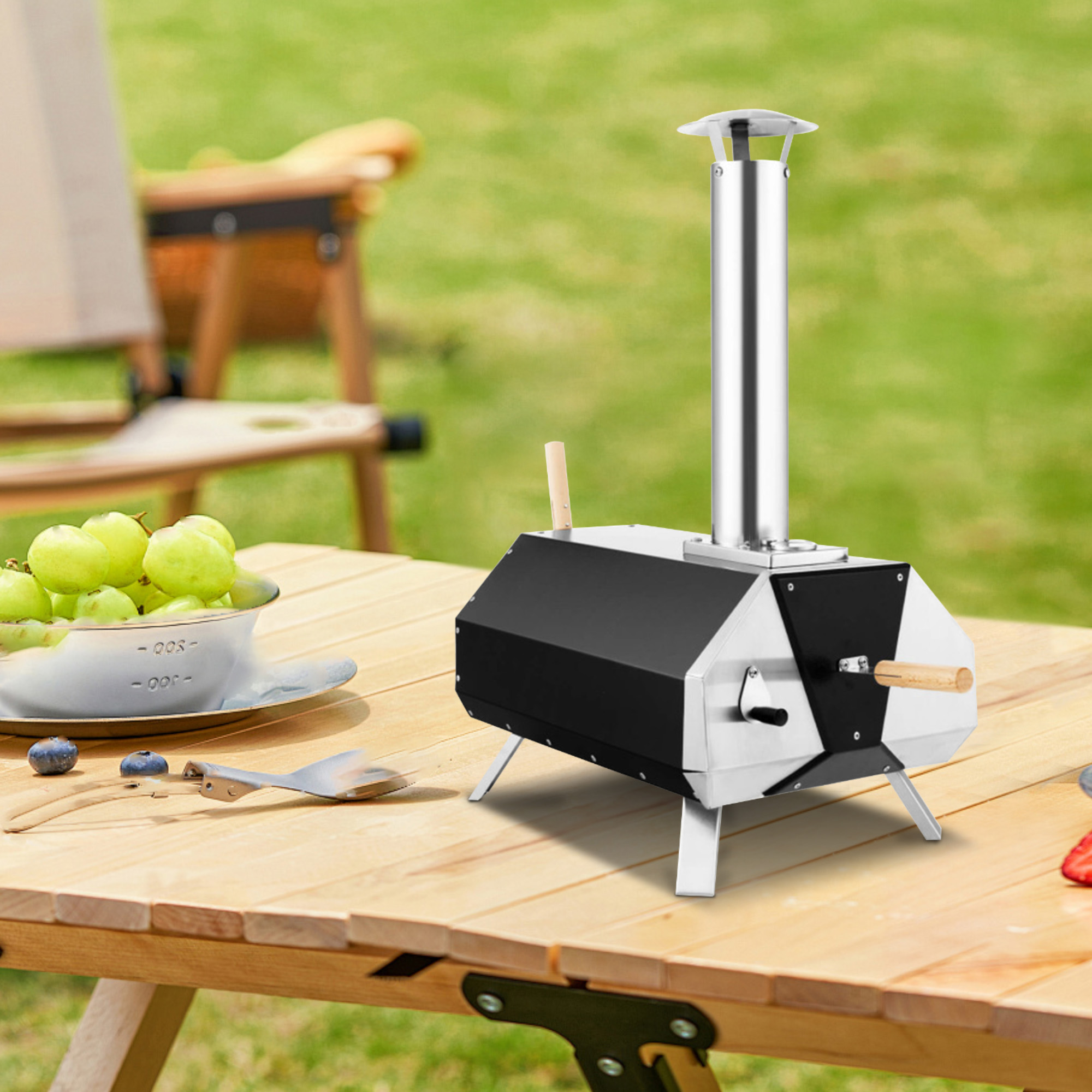
Many pizza enthusiasts argue that wood-fired pizza ovens produce a superior flavor compared to gas pizza ovens. The smoke from the wood adds a unique and distinct flavor to the pizza, giving it a rustic and authentic taste. Gas pizza ovens do not produce the same smoky flavor, but they do provide consistent results and allow for precise temperature control.
Maintenance:
Wood-fired pizza ovens require more maintenance than gas pizza ovens. They need to be cleaned regularly to remove ash and soot, and the chimney may need to be swept to prevent fire hazards. Gas pizza ovens are relatively low maintenance, requiring only occasional cleaning and checking of gas connections.
Cooking Time and Efficiency
Gas Pizza Ovens: Gas ovens typically preheat faster and offer quicker cooking times compared to their wood-fired counterparts. This efficiency makes them a practical choice for busy households or restaurants with high turnover rates.
Wood-Fired Pizza Ovens: Achieving optimal cooking temperatures in a wood-fired oven requires time. The process of building a fire and allowing the oven to heat up can be more labor-intensive. However, once the oven reaches its peak temperature, pizzas cook incredibly fast, often in just a few minutes.
Cost:
Wood Fired pizza ovens are generally more expensive than gas pizza ovens, both in terms of initial purchase price and ongoing fuel costs. Wood logs or pellets can be costly, particularly if they are not readily available in your area. Gas pizza ovens have a lower initial cost and lower fuel costs, making them a more affordable option in the long run.
Conclusion
The choice between a gas and wood-fired pizza oven ultimately depends on individual preferences, lifestyle, and culinary goals. Gas ovens offer convenience, efficiency, and versatility, while wood-fired ovens provide an authentic pizza-making experience with unparalleled flavor. Many pizza enthusiasts opt for a combination of both, enjoying the best of both worlds.
If you are interested, contact us now, or visit our website for details.
https://www.gftopoven.com/